
Specchia is a beautiful town located in the Salento hinterland. Thanks to its charm and importance, it has been included among the most beautiful villages in Italy, as have other towns in Salento, such as Otranto and Presicce. Despite this, it seems absurd that it is still not such a well-known and popular destination for tourists. Although this could be a good thing, from some points of view, we are certain that it is a real shame that such a fascinating and important place from a historical, cultural and gastronomic point of view still remains unknown to most people. This is why we want to tell you about it and let you discover what you absolutely must see in Specchia.
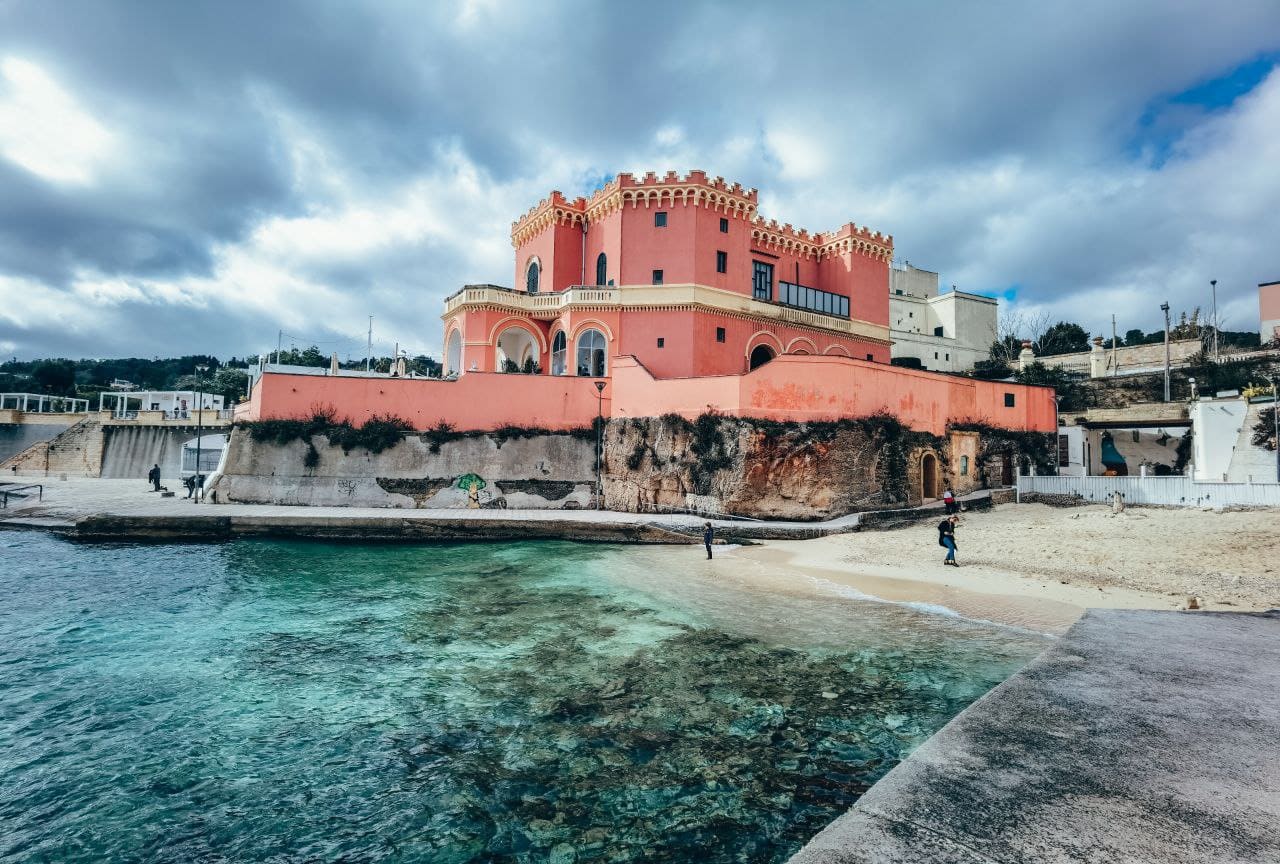
The history of Specchia
The first settlement seems to date back to the 9th century, when a small group of shepherds and peasants settled here to get away and take shelter from the attacks of the Saracens coming from the sea. In 1189 Tancredi d’Altavilla, Count of Lecce, was appointed king of Sicily in Palermo. With the arrival of the Normans, however, the feudal era began for the Terra d’Otranto. During this period, Specchia became part of the County of Lecce and was enfeoffed to Filiberto Monteroni.
In 1269, after the Battle of Benevento, Charles of Anjou granted Rodolfo D’Alnay the County of Alessano, which also included the village of Specchia. In 1319, the feud was purchased by the Ramondello Orsini Del Balzo family, who associated it with the principality of Taranto, of which it was part until 1463. Meanwhile, Queen Giovanna II of Naples, envious of the power of the Orsini del Balzo, sent an army into Salento led by Louis III of Anjou and Giacomo Caldora, and twenty years later the stronghold of Specchia was besieged, conquered and destroyed by Caldora.
In 1452, Raimondello del Balzo Orsini obtained permission to repopulate Specchia, so the castle and walls were rebuilt and it became increasingly populated by those fleeing from the coast in search of shelter from the Turks. Over time, numerous feudal lords succeeded one another, such as the Di Capua, the Gonzaga, the Brajda, the Trane, the Protonobilissimo and finally the dè Liguoro until 1806, the year in which feudal suppression took place. In 1860, the Plebiscite took place in the Kingdom of Naples, sanctioning its unification with the Kingdom of Italy.
What to see in Specchia
Are you planning your holiday in Salento and want to find out what to see in Specchia? Here are our recommendations:
Old town
Strolling through the tangled streets of Specchia’s historic centre is a pleasant discovery. Wandering aimlessly is the best way to discover enchanting corners and be enveloped in the surreal atmosphere of being in another era.
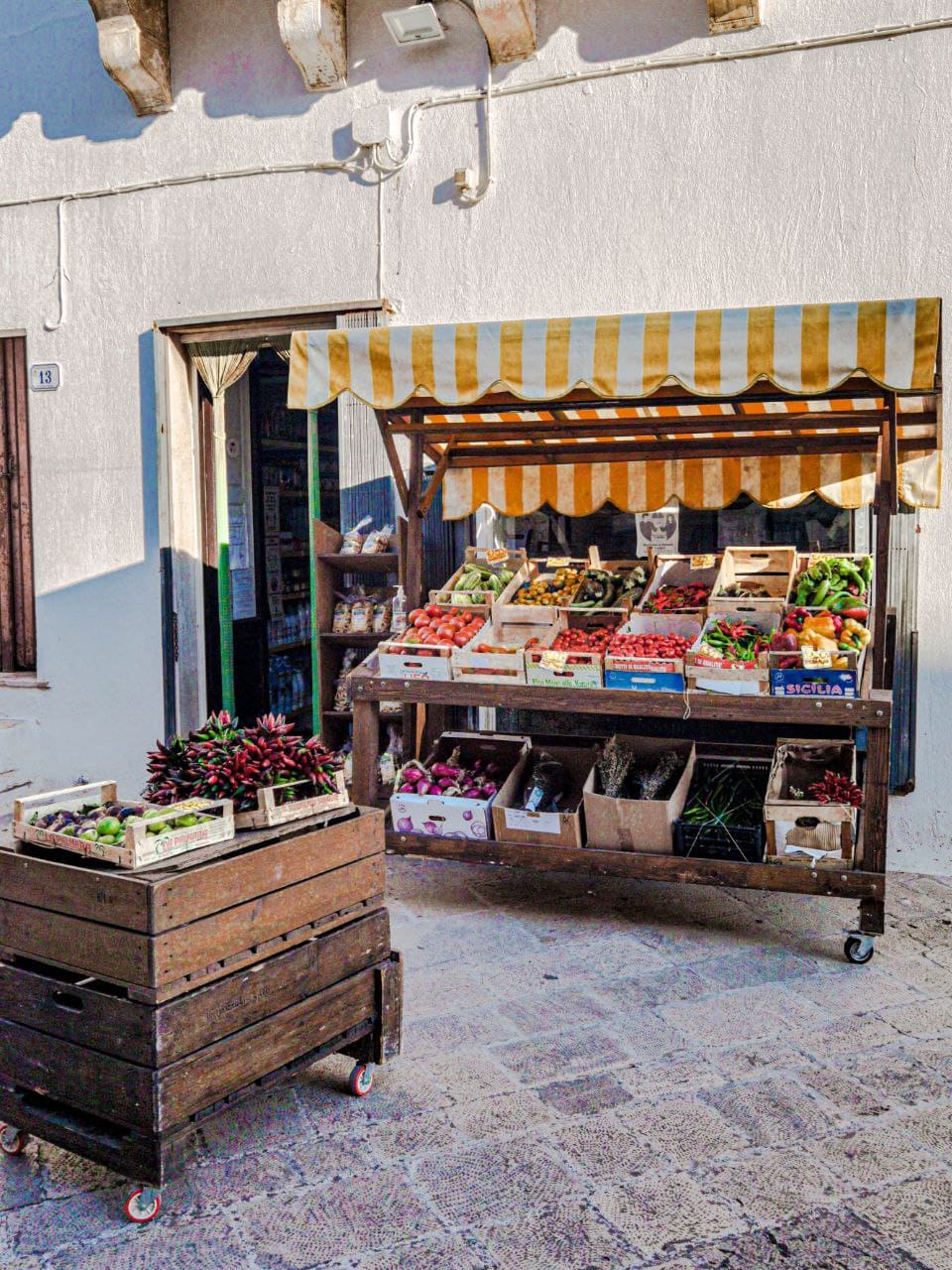
Piazza del Popolo
Piazza del Popolo is not just a simple square, it is the heart of the old town, where history and art meet to create an elegant city lounge. Some of the borough’s most beautiful and important buildings stand here: Palazzo Risolo, also known as Palazzo Protonobilissimo Risolo, dating back to the 16th century. It was once the Castle, but was later converted into a marquis palace by the Protonobilissimi family (after whom it was named), marquises of Specchia between the 16th and 17th centuries.
Another important building is the Palazzo Baronale Ripa, once belonging to the family of Counts Ripa, from whom it takes its name. The palace dates back to the 17th century, while the portico was added later, in 1900, at the behest of the count’s heirs.

Church of the Presentation of the Blessed Virgin Mary
The Church of the Presentation of the Blessed Virgin Mary, Specchia’s mother church, is one of the town’s oldest buildings, dating back to the 15th century. Although, in reality, today’s construction is the result of a series of renovations over the centuries. The ground plan is in the shape of a Latin cross, while the interior has a single nave converging towards the central apse. The apse is made of Lecce stone, as is the altar, in Baroque style, with some gold stucco and floral motifs. The exterior façade is also in Baroque style with three entrance doors. The last addition was the bell tower in 1945, replacing the damaged old bell tower dating back to the 16th century.
Church of Our Lady of the Assumption
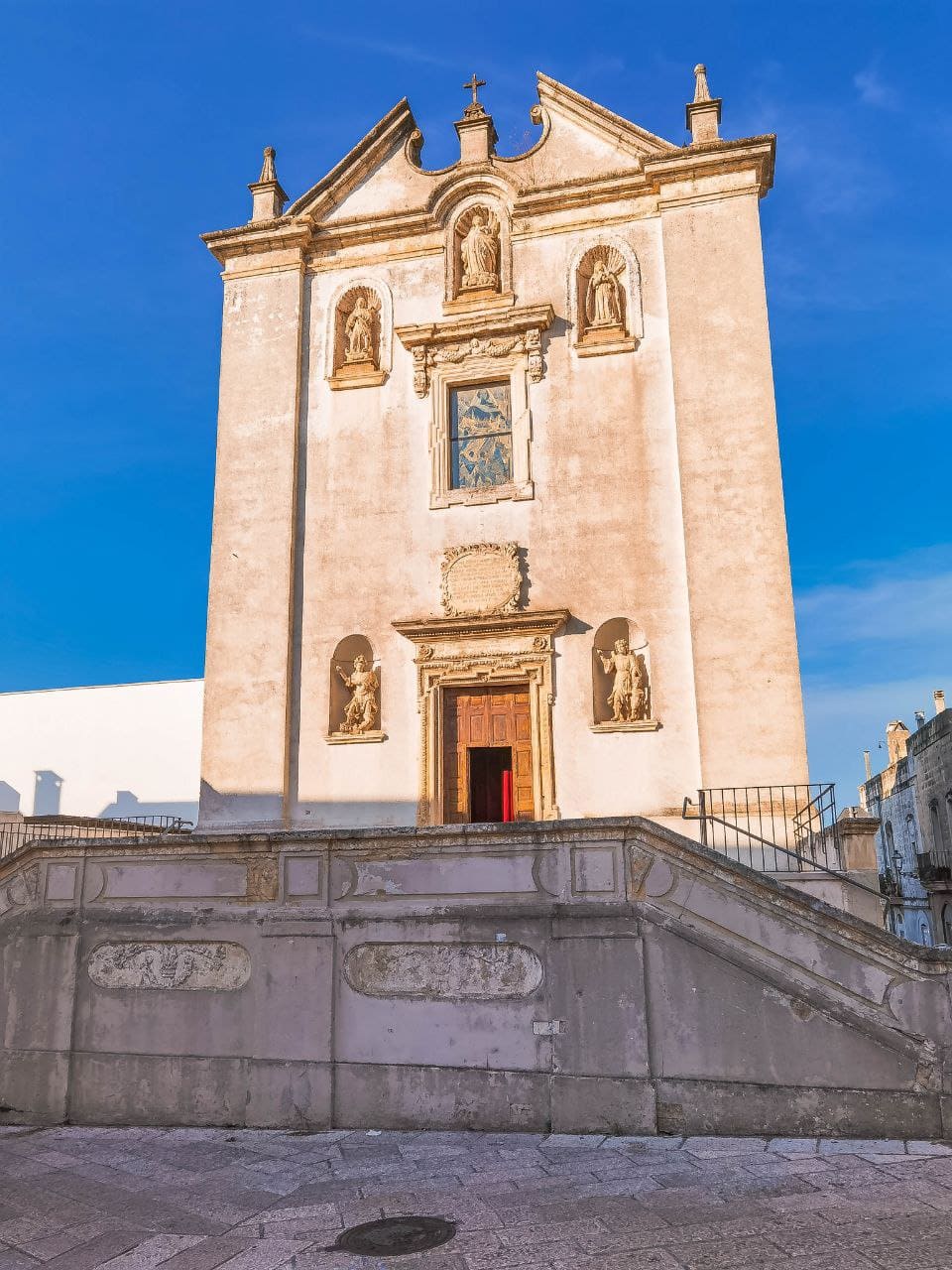
The Church of Our Lady of the Assumption dates back to the 17th century and is located near the ancient Porta del Foggiaro or Porta Lecce. The façade is characterised by niches and openings, and is crowned by a Baroque entablature and tympanum. The interior, on the other hand, has a single nave without a right arm.
Chapel of St Catherine Martyr
The Chapel of St Catherine Martyr is a tiny church dating from the early decades of the 16th century. It has some Gothic details and traces of a pointed arch on the door of the façade, while the interior has a single nave. Inside, there are frescoes depicting scenes from the life of St Catherine and her martyrdom, with depictions of the Medici saints and the martyrdom of St Agatha. The choir also leads to the underground crypt of Basilian origin containing traces of Byzantine frescoes.
Crypt of the Madonna del Passo
Among the various things to see in Specchia, we also suggest the Crypt of the Madonna del Passo, of Byzantine origin. Discovered in the 16th century, it was transformed into a church in the late 16th century. Inside there are two side altars and a central altar in late Renaissance style, with a precious painting of the Madonna and Child.
Convent of the Black Franciscans
The Convent of the Black Franciscans dates back to the first decades of the 16th century, although it was renovated in the Baroque style in the 18th century. After the suppression of the religious orders, the convent underwent several transformations and in 1885 was turned into a girls’ boarding school by the Daughters of Charity, and in 1945 converted into an orphanage. In 1980, however, it was permanently closed.
Church of S. Eufemia
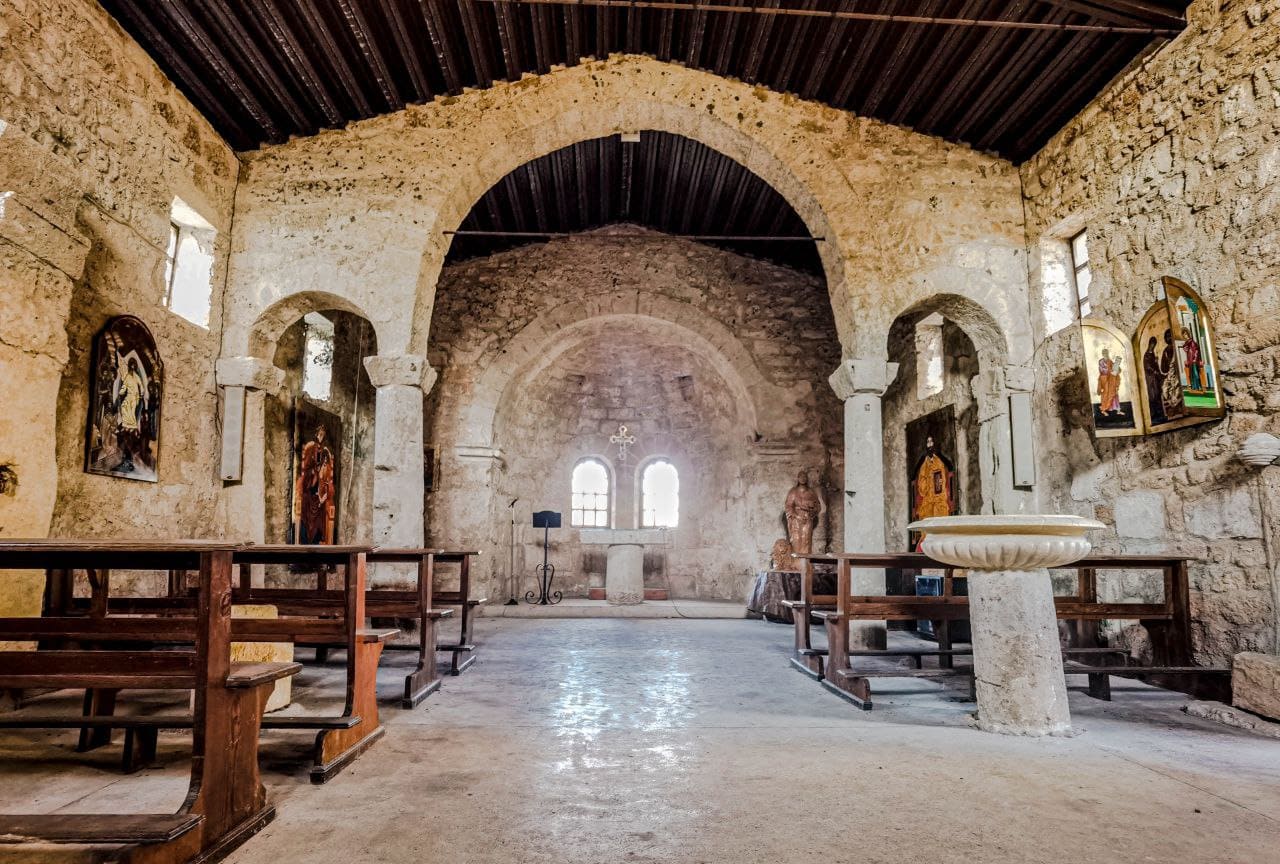
A must-see in Specchia is the Church of S. Eufemia, located in the countryside and surrounded by olive trees. Erected in the 9th-10th century, it is a small and charming church of Byzantine origin with a double-sloping façade and a round-arched portal. The interior has a nave and two aisles separated by monolithic columns surmounting round arches.
The underground oil mills
As in the village of Presicce, the subsoil of the historic centre of Specchia is also characterised by the presence of underground oil mills, evidence of industrial architecture and the social and economic life of Salento between the 15th and 19th centuries.
Where to eat in Specchia
Would you like to try Salento cuisine in the best restaurants? Discover where to eat in Specchia:
- Trattoria Da Coppuledda
- Trattoria la Bettola
- La Ficarigna Restaurant
Beaches and sea near Specchia
Discover Salento’s most beautiful beaches and dream seaside near Specchia:
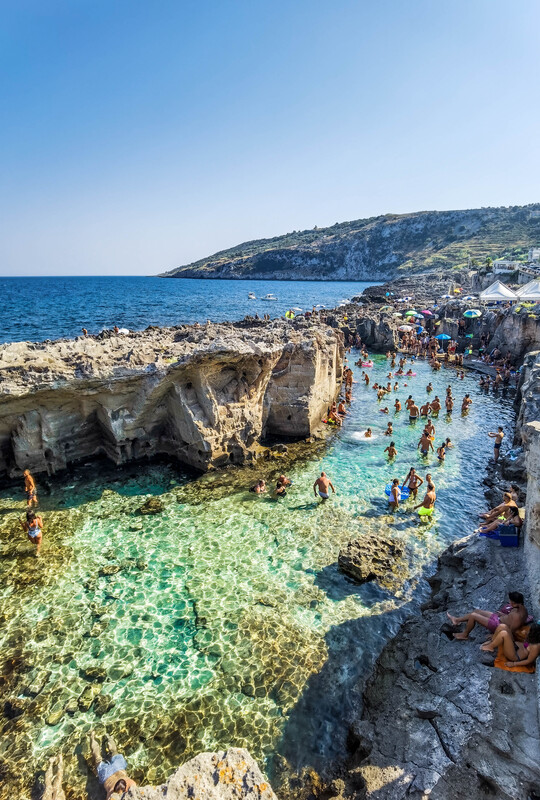
- Marina Serra: small but extremely charming, it is a natural swimming pool with crystal-clear waters surrounded by rugged rock and an almost unspoilt landscape;
- Tricase Porto: here you will find a tiny beach, which gets crowded easily, surrounded by low cliffs plunging into the blue;
- Lido Marini: the long beach of Lido Marini is a carpet of fine golden sand characterised by many beach resorts;
- Torre San Giovanni: one of the longest beaches in Salento is undoubtedly that of Torre San Giovanni, with its emerald waters and coves with low dunes dotted with Mediterranean scrub;
- Pescoluse: Pescoluse beach, also known as The Maldives of Salento, is characterised by a stretch of golden sand and a particularly shallow seabed ideal for children;
- Torre Pali: among the various beaches near Specchia, we recommend the small Torre Pali, an inlet characterised by a sandy stretch and an area of low cliffs; a ruined 16th-century tower emerges from the water, making the landscape incredibly evocative.
Surroundings of Specchia
From Specchia’s location, it is possible to visit many of Salento’s most beautiful points of interest. Here are some not to be missed:
- Borgo Cardigliano 4 km away
- Residenza dell’amore 5.5 km away
- Tricase 6.8 km away
- Presicce 7 km away
- Alessano 8.7 km away
- Ruffano 8 km away
- Lecce 60 km away
- Ugento 15,5 km away
- Gagliano del Capo 14 km away
- Castrignano del Capo 16,4 km away
- Castro 15,7 km away
- Casarano 16,9 km away
https://www.hdsalento.com/wp-content/uploads/2022/03/interni-chiesa-di-santeufemia-specchia.jpg


